
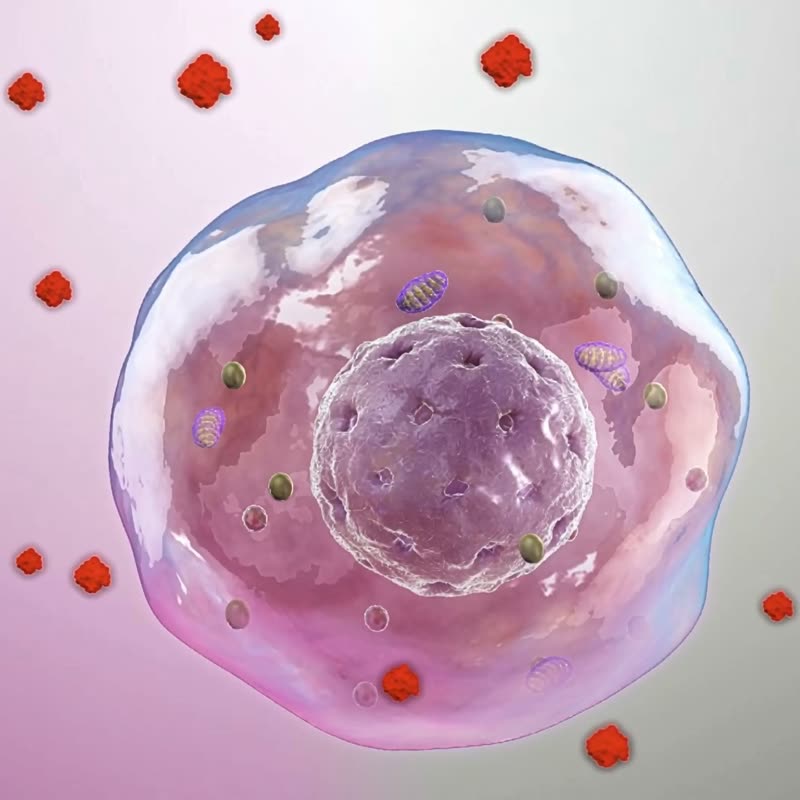
The Chelation Story
Heavy Metals
Urban heavy metals come from brake dust, tire wear, older paint, and aging infrastructure. The orange dust on subway platforms is iron from train brakes.
Even trace metals can catalyze free radical damage, amplifying the effects of PM2.5 and PAHs while contributing to pigmentation, inflammation, and DNA stress.
Build your barrierHow Barrier addresses it
Barrier is built around patented, award-winning, silicone-free Solésence Kleair™ Technology: a non-nano mineral shield that delivers broad-spectrum SPF 50+ sun protection and pollution defense, paired with hyaluronic acid, sustainably-produced squalane, and organic jojoba oil. This is where Bind matters. Solésence's platform includes chelating agents that grab metal ions and inactivate them so they cannot keep catalyzing free-radical reactions on skin.
Bind
Chelating agents
Chelators grab onto metal ions and reduce their ability to drive damaging reactions over hours of wear.
Neutralize
Antioxidant defense
The antioxidant complex helps intercept free radicals before they damage lipids, proteins, and skin cells.
Block
Mineral micro-film
Zinc oxide forms a physical layer over the stratum corneum, reducing direct contact between airborne particles and skin.
That orange dust on the subway platform isn't just dirt. It's iron, and it's catalyzing damage on your skin. We bind it.
Other culprits of bad skin
References
- 01Paik K, Na JI, Huh CH, et al. Particulate Matter and Its Molecular Effects on Skin: Implications for Various Skin Diseases. International Journal of Molecular Sciences, 2024.
- 02de Jager TL, Cockrell AE, Du Plessis SS. Ultraviolet Light Induced Generation of Reactive Oxygen Species. Advances in Experimental Medicine and Biology, 2017.