
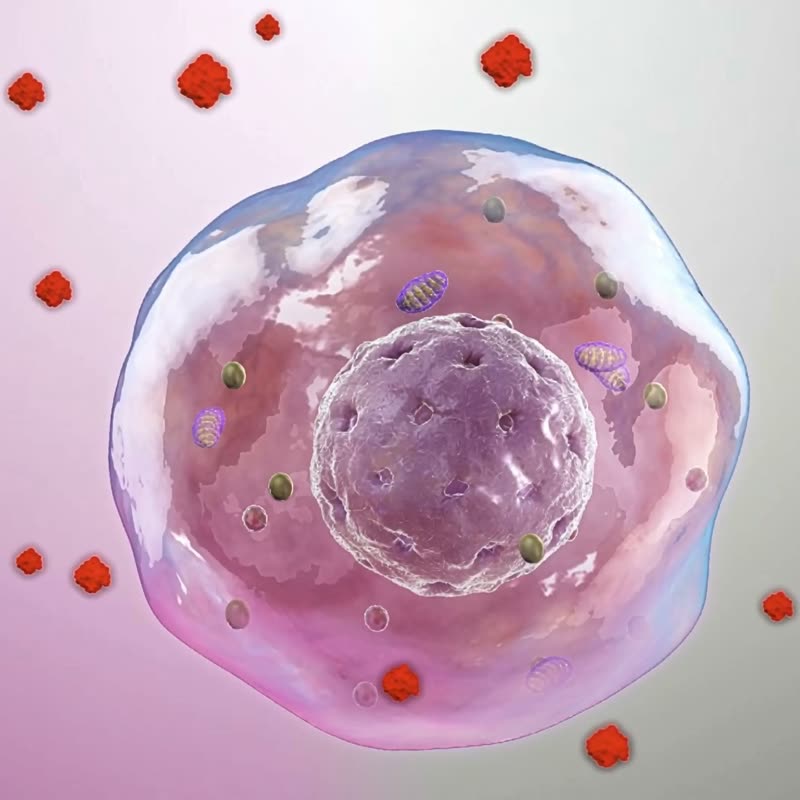
Particulate Matter
PM2.5 and PM10
PM2.5 and PM10 come from subway brake dust, tire wear, diesel exhaust, restaurants, construction, and wildfire smoke. PM10 sits on the surface, while PM2.5 is small enough to lodge inside follicles.
On skin, particulate matter can clog pores, trigger irritation, and generate free radicals linked to premature aging, hyperpigmentation, eczema, and unexplained breakouts.
Build your barrierHow Barrier addresses it
Barrier is built around patented, award-winning, silicone-free Solésence Kleair™ Technology: a non-nano mineral shield that delivers broad-spectrum SPF 50+ sun protection and pollution defense, paired with hyaluronic acid, sustainably-produced squalane, and organic jojoba oil. For particulates, that shield creates a stable micro-film to reduce PM2.5 and PM10 adhesion throughout the day.
Block
Mineral micro-film
Zinc oxide forms a physical layer over the stratum corneum, reducing direct contact between airborne particles and skin.
Stabilize
Wearable film
Solésence's Active Stress Defense platform keeps the shield stable through sweat, movement, and daily wear.
Fortify
Barrier support
Hyaluronic acid, squalane, and organic jojoba oil support the skin's moisture barrier before exposure starts.
PM2.5 is too small for your moisturizer to stop. It needs a layer.
Other culprits of bad skin
References
- 01Paik K, Na JI, Huh CH, et al. Particulate Matter and Its Molecular Effects on Skin: Implications for Various Skin Diseases. International Journal of Molecular Sciences, 2024.
- 02de Jager TL, Cockrell AE, Du Plessis SS. Ultraviolet Light Induced Generation of Reactive Oxygen Species. Advances in Experimental Medicine and Biology, 2017.